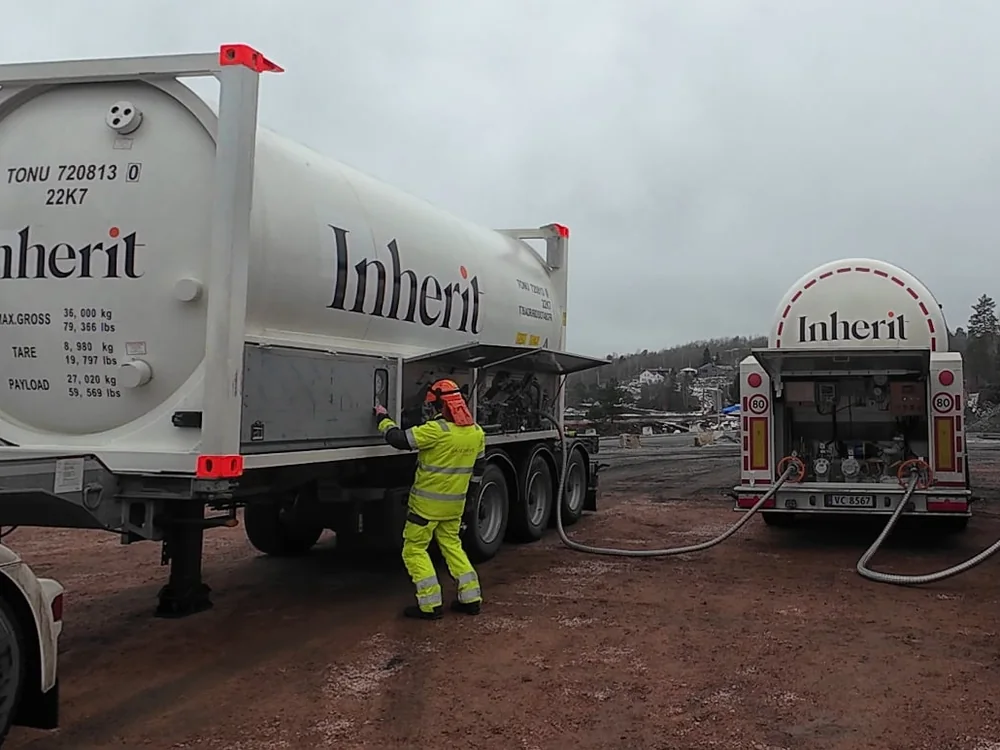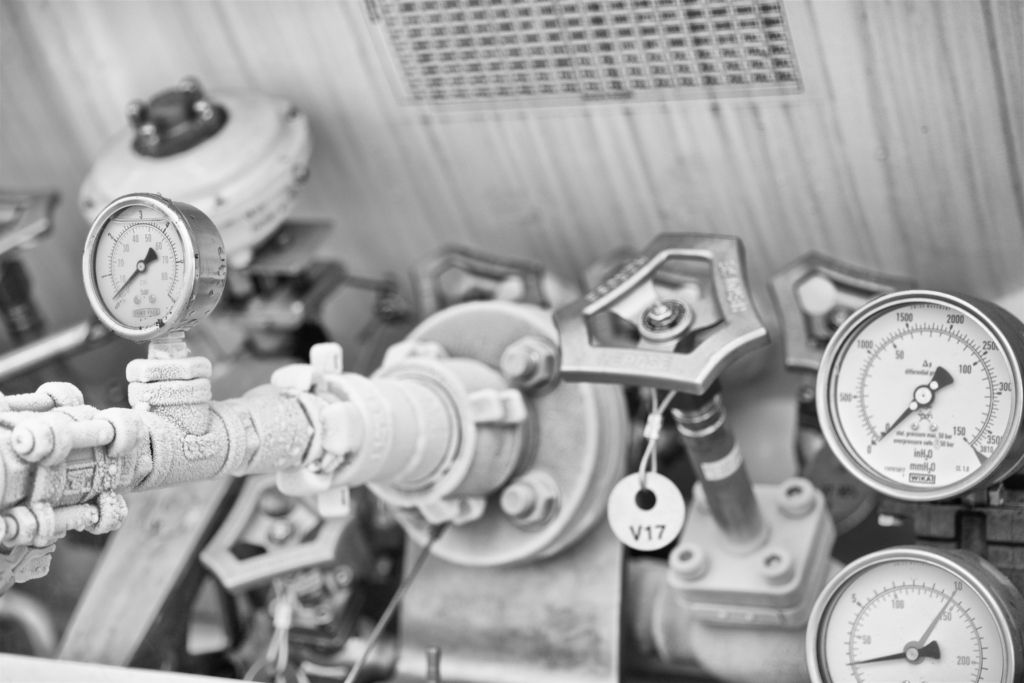
Pressure vessel, piping, valves and equipment of every cryogenic ISO tank container that Bofort offers is leak tested as part of its standard pre-delivery preparation. Basic leak tests are performed by qualified depot operators in accordance to proven and tested methods, of which the “bubble/soap test” is the most common.
In case of a suspected vacuum leak, an elaborate test is carried out by specialised personnel performing dye penetrant tests and using a helium mass spectrometer, being the most sensitive leak detection method in industrial use. If required, findings are verified by an independent notified body (inspection and certification authority). The test uses helium as a tracer gas. Helium atoms are among the smallest of any gas, helium is chemically inert, and air contains only about 5 parts per million of it, so any helium that reaches the detector almost certainly comes from a leak. The tank is checked with a leak detector, a mass spectrometer that responds to helium alone, following the industry standard procedures for tracer gas leak testing (EN 1779 and EN ISO 20485). This reveals leaks far too small for soap solution or pressure-drop testing to find, in the inner vessel as well as in pipework, valves and couplings.
The test uses helium as a tracer gas. Helium atoms are among the smallest of any gas, helium is chemically inert, and air contains only about 5 parts per million of it, so any helium that reaches the detector almost certainly comes from a leak. The tank is checked with a leak detector, a mass spectrometer that responds to helium alone, following the industry standard procedures for tracer gas leak testing (EN 1779 and EN ISO 20485). This reveals leaks far too small for soap solution or pressure-drop testing to find, in the inner vessel as well as in pipework, valves and couplings.
Leak testing is standard procedure at Bofort. A tank is leak tested upon each on-hire procedure as part of its safety and quality assurance policy and the periodic inspection regime for UN T75 portable tanks, which includes a mandatory leak test at the intermediate (2.5-yearly) and periodic (5-yearly) inspections. The test is also performed after maintenance or repair of the pressure shell, and after valves, seals or fittings have been replaced.
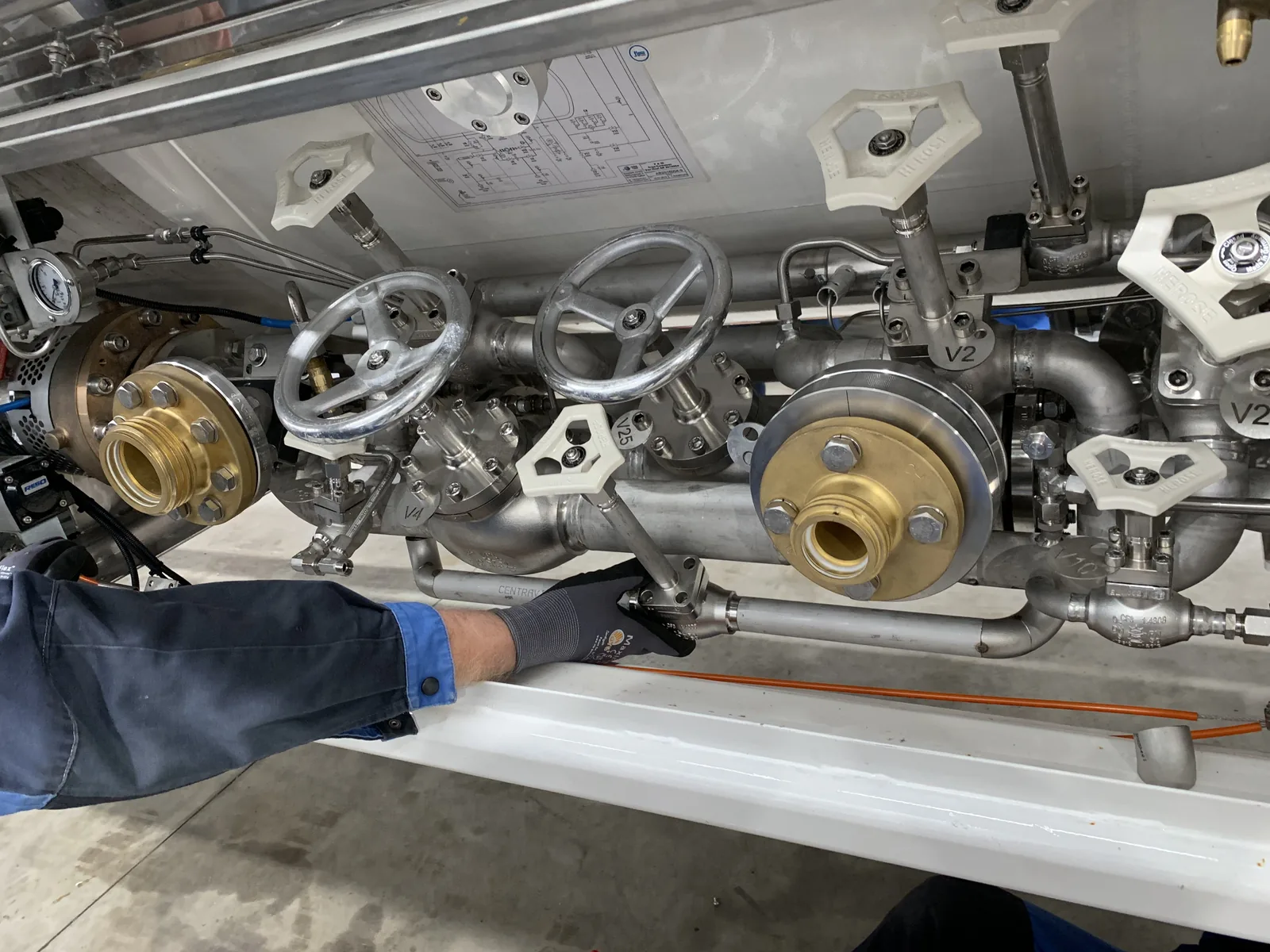
The result of a leak test is a measured leak rate. A tank is accepted when that rate stays below the limit that applies to it. The applicable limit follows from the design standard for large transportable vacuum insulated vessels (EN 13530) and the manufacturer's specifications for the regulatory leak test of refrigerated liquefied gas portable tanks, the tank is tested at 90% of its maximum allowable working pressure. A tank is released for service only when the independent surveyor/notified body certifier confirms that the acceptance criteria are met and the result has been documented in the periodical test certificate.
Leak testing, like inertization and pressure testing, is included in the preparation of every tank we lease and is available exclusively to Bofort customers. Would you like to know more about how our tanks are prepared and certified? Call us on +32 3 369 30 80 or email sales@bofort.com.